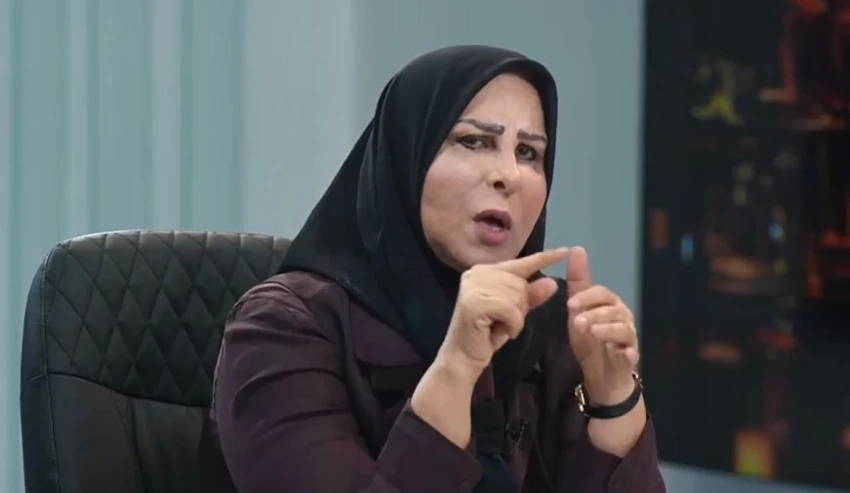
A member of the Kurdistan Democratic Party, Subhi Al-Mandalawi, confirmed that official statistics reveal the magnitude of security challenges facing Kurdistan, placing it among the most targeted regions by missile strikes and drone attacks, despite its non-involvement in regional conflicts.
Al-Mandalawi stated in an exclusive statement that these figures not only reflect the scale of human and material damage but also reveal the complexities of the security landscape in Iraq as a whole. He noted that the Kurdistan Region has
adopted a clear stance of neutrality, refusing to be drawn into any conflict, including rejecting previous requests to introduce weapons or opposition forces into Iran.
He added that Erbil, as the capital of the region and the center of its political decision-making, is directly exposed to these attacks, which he described as targeting the positions of the regional government and the Kurdistan Democratic Party seeking
to stay away from regional conflicts. He affirmed that this approach faces opposition from entities with political and security agendas.
He added that Erbil, as the capital of the region and the center of its political decision-making, is directly exposed to these attacks, which he described as targeting the positions of the regional government and the Kurdistan Democratic Party seeking to stay away from regional conflicts. He affirmed that this approach faces opposition from entities with political and security agendas.
He pointed out that the Kurdistan Region, as a key partner in the federal government and a representative of a major component in the country, is directly affected by these attacks, which not only hinder stability within the region but
also impact the nature of the relationship and partnership with Baghdad.
He pointed out that the Kurdistan Region, as a key partner in the federal government and a representative of a major component in the country, is directly affected by these attacks, which not only hinder stability within the region but also impact the nature of the relationship and partnership with Baghdad.
Al-Mandalawi explained that the entities carrying out the shelling operations often declare their responsibility explicitly, and that detailed information regarding the sources of these attacks has been provided to the federal government. However, there is a clear inability to deal
with these threats, despite their danger to Iraq as a whole, not just the region.
Al-Mandalawi explained that the entities carrying out the shelling operations often declare their responsibility explicitly, and that detailed information regarding the sources of these attacks has been provided to the federal government. However, there is a clear inability to deal with these threats, despite their danger to Iraq as a whole, not just the region.
He added that Iraq faces a complex equation, where official entities seek to spare the country from engaging in regional conflicts, while other parties work to drag it into these confrontations, further complicating the security and political landscape.
He confirmed that there are increasing demands from international coalition countries, led by the United States, to provide protection for the Kurdistan Region, both for civilians and vital facilities, especially since the presence of these forces comes within official agreements with the Iraqi government.
He stressed the importance of taking practical steps to enhance the region's security, including equipping it with air defense systems to enable it to counter repeated attacks. He noted that the head of the regional government, Masrour Barzani, has repeatedly called on the international community to support this direction.
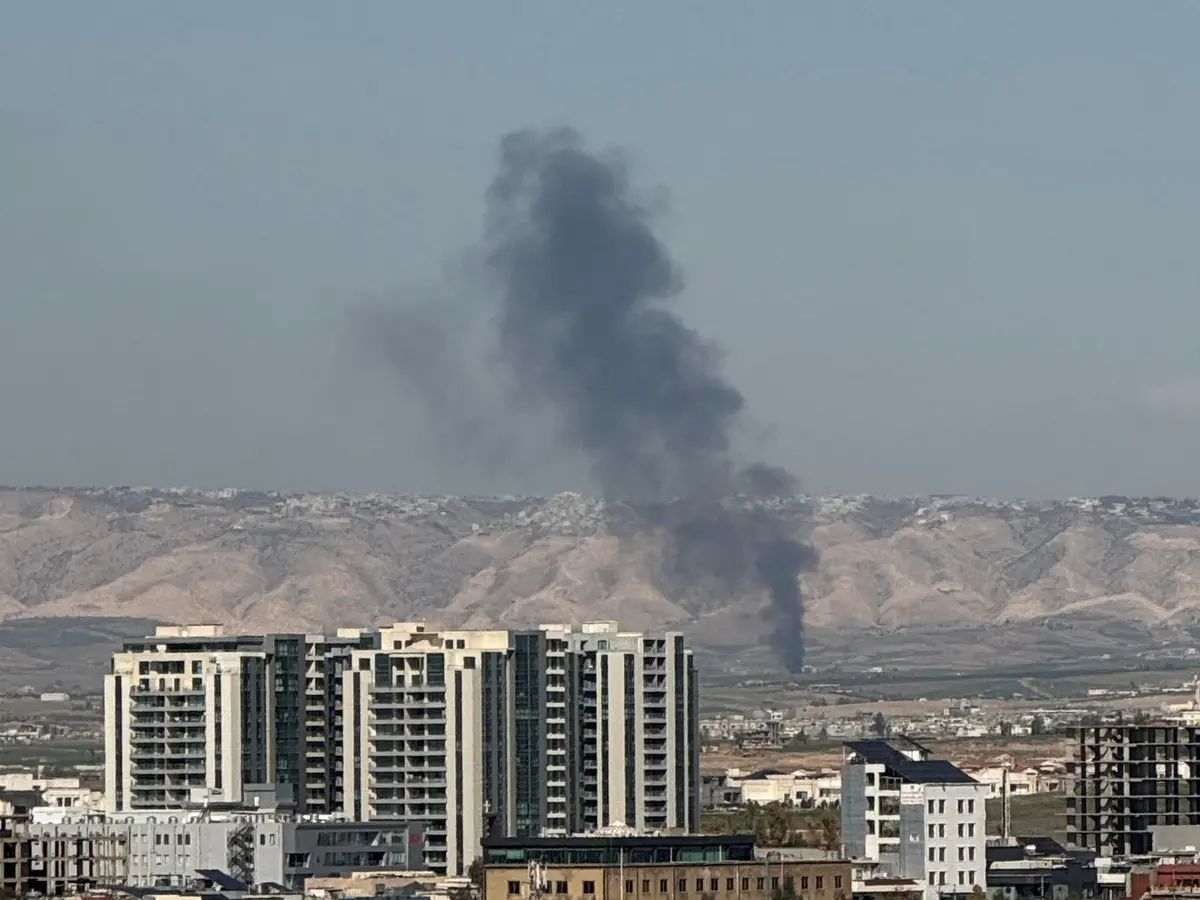
The Kurdistan Region has witnessed a noticeable escalation in missile strikes and drone attacks in recent years, amid intertwined regional tensions and power struggles whose effects extend into Iraq.
Despite the region's repeated declarations of its commitment to a policy of neutrality and non-involvement in conflicts, its geographical location and the nature of its international relations have made it vulnerable to these strikes.
These developments raise increasing questions about the federal government's ability to impose security and control over illegal armed groups, at a time when calls are escalating to enhance defense systems and protect infrastructure, in a manner that preserves the stability
of the region and Iraq as a whole in the face of accelerating regional challenges.
These developments raise increasing questions about the federal government's ability to impose security and control over illegal armed groups, at a time when calls are escalating to enhance defense systems and protect infrastructure, in a manner that preserves the stability of the region and Iraq as a whole in the face of accelerating regional challenges.