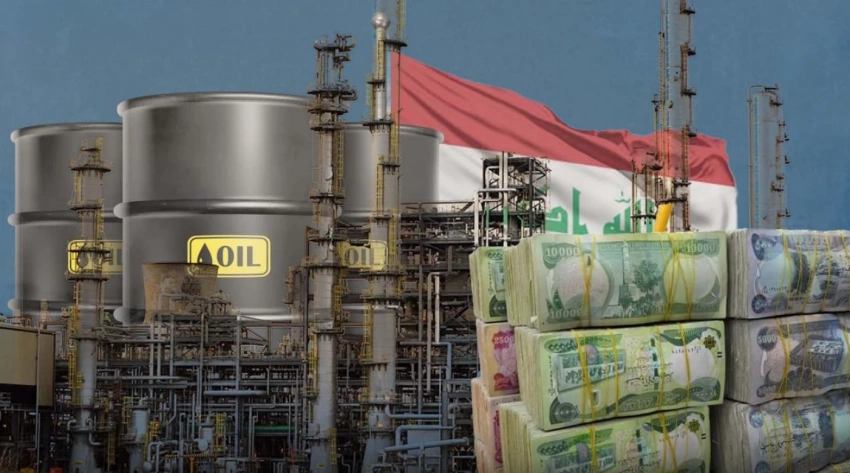
Iraq's general budget file for the year 2026 is facing unprecedented ambiguity, driven by financial challenges, fluctuations in oil revenues, and ongoing divergence in political visions regarding public spending priorities. The proposed options oscillate between preparing a mini-budget to meet
basic needs and postponing the entire file to the following year. Parliamentary sources confirmed that the features of the budget have not yet been resolved, and the trajectory of its submission to the legislative authority remains unclear. The sources attributed
this delay to the incomplete government formation, which hinders the passage of strategic financial decisions. It was noted that the concept of a mini-budget currently lacks clear parliamentary consensus and requires an exhaustive study of the financial reality and global
oil prices. The current financial situation is considered one of the most difficult Iraq has faced in the last two decades, especially with a large percentage of oil exports affected by geopolitical disturbances in the region and vital waterways. Observers
suggest the scenario of postponing the budget to 2027 is highly probable if current political and economic complications persist. Oil represents the backbone of the Iraqi economy, as the state relies almost entirely on its revenues to fund operational and
investment spending. This makes financial stability highly vulnerable to any shocks in global markets or regional security tensions.