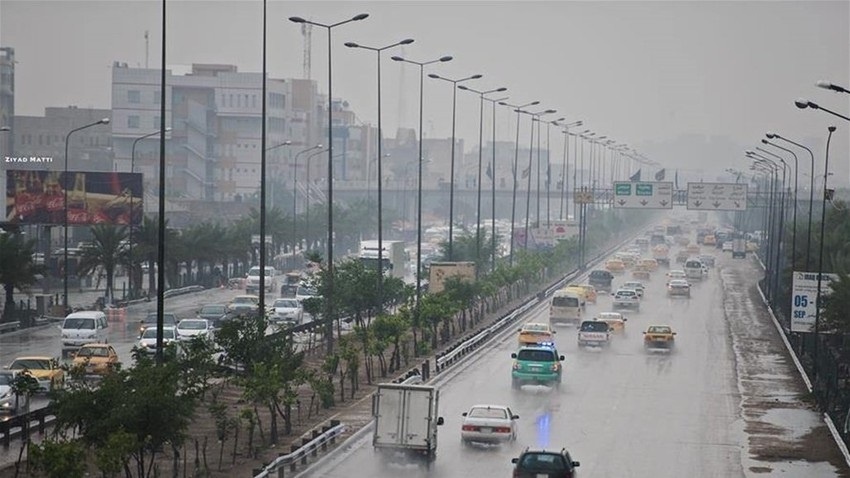
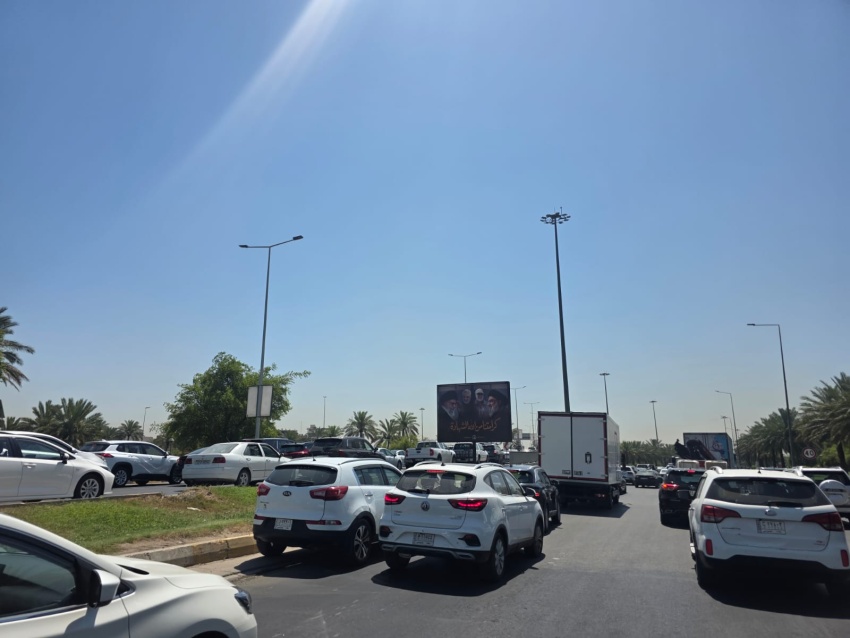
The Iraqi capital, Baghdad, experienced a wave of suffocating traffic jams that affected a vast network of its vital and main roads, resulting in a severe slowdown of vehicles and a partial paralysis in traffic flow. The traffic congestion, which
coincided with the morning rush hours, was concentrated on highways and strategic bridges connecting the Karkh and Rusafa sides, as well as major intersections and important commercial areas. This high traffic density directly impacted citizens' daily routines, causing delays for
employees reaching their workplaces and students getting to their educational institutions. This once again highlights the urgent need to develop the transport sector's infrastructure and establish sustainable solutions to address the recurring traffic crises in the capital.