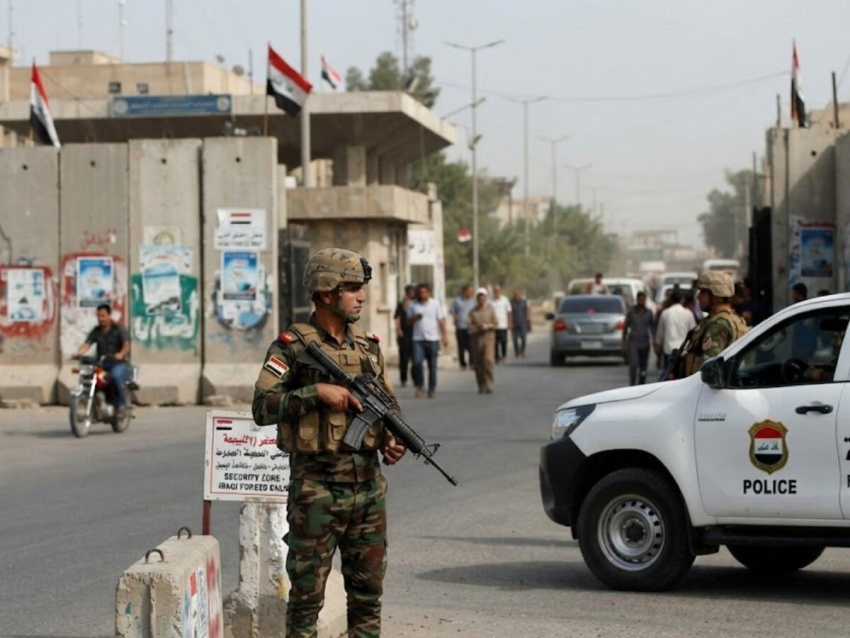

The Parliamentary Security and Defense Committee confirmed that the war against sleeper cells belonging to ISIS has not yet ended, despite the significant improvement in the country's security situation in recent years. It indicated that Iraq is experiencing the best
state of security stability compared to previous years, as most security sectors have reached the stage of zero breaches, as a result of continuous security and intelligence efforts. It explained that this stability came as a result of intensive intelligence
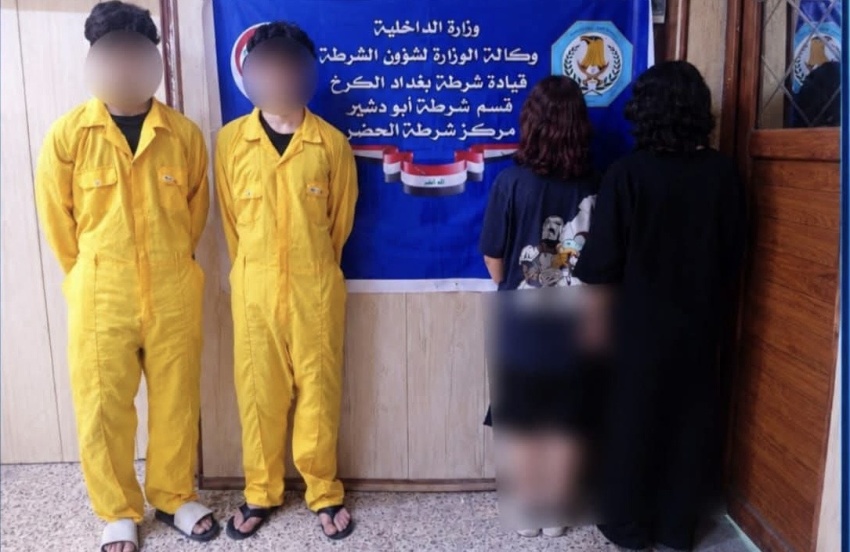
work, especially regarding tracking black lists that include prominent leaders and elements of terrorist organizations. It added that security agencies were able during the past eighteen months to bring down 16 high-value targets who held leadership positions within the structure
of ISIS, confirming that security forces continue their operations to eliminate the remaining cells of the organization, especially second and third generation leaders. It clarified that the number of sleeper cells inside Iraq has become very limited, but the nature
of the threat requires continued intelligence momentum and no relaxation, noting that the danger of ISIS is not linked to Iraq alone, but extends to some neighboring countries as well. It pointed out that eliminating terrorist cells inside the country
will lead to enhancing security stability to a greater extent, emphasizing the importance of continued cooperation between citizens and security agencies. It explained that three basic pillars contributed to enhancing the success of security operations, represented in citizen cooperation, society's
rejection of extremist ideas, in addition to continued intelligence strikes and accumulation of security expertise. It confirmed that security efforts have also succeeded in limiting the file of electronic recruitment through social media platforms, which was previously used to attract
extremist elements, noting that this file has become almost ended as a result of continuous technical and intelligence follow-up.