The head of the Diyala Chamber of Commerce confirmed that maritime and land transport form the backbone of Iraq's trade movement, while the impact of air freight remains limited to specific goods. He explained that over 50% of imported goods
arrive via the ports of Basra, while land transport from neighboring countries accounts for more than 45% of import activity, particularly for construction materials, general goods, and heavy machinery. He noted that recent disruptions in the Strait of Hormuz have
directly led to higher shipping and insurance costs, increasing financial burdens on traders and importers, which has reflected in higher commodity prices in local markets. He added that some traders have turned to alternative routes through neighboring countries, but this
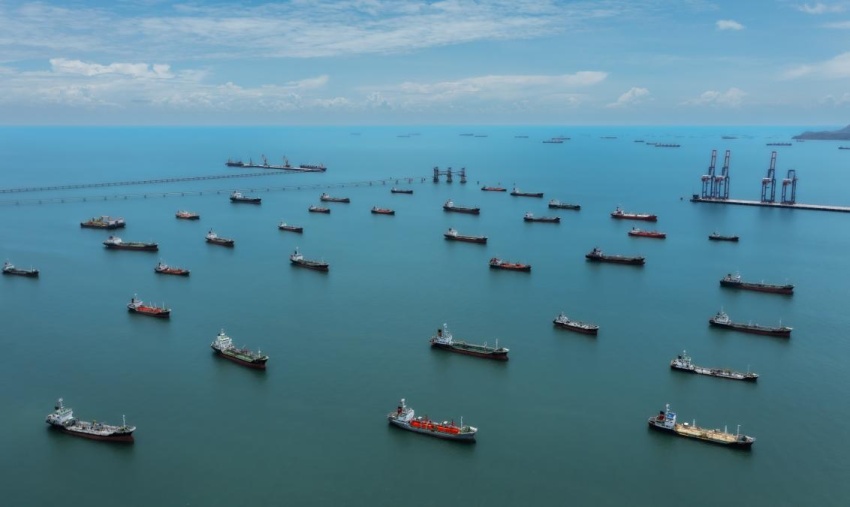
raises final costs for consumers. The Strait of Hormuz is one of the world's most vital maritime passages for oil and goods to the region, and regional tensions raise economic concerns about their impact on markets, especially for countries heavily
dependent on maritime imports like Iraq.