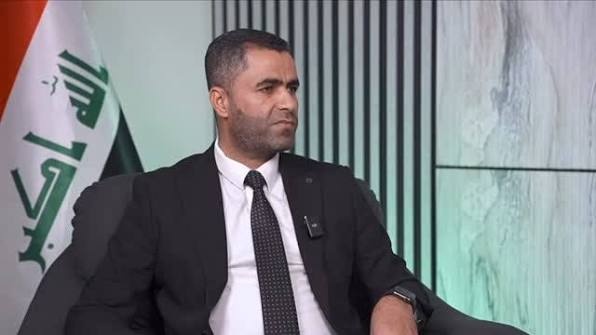
Member of Parliament Mudhar Al-Karoui acknowledged today, Thursday (May 7, 2026), that the project to establish a new administrative capital in Iraq was proposed nearly nine years ago, but security and political circumstances prevented its implementation, despite its long-term strategic importance.
Al-Karoui explained that security disturbances, political instability, and high financial costs led to postponing the project's implementation, pending the availability of a clear vision for planning and financing.
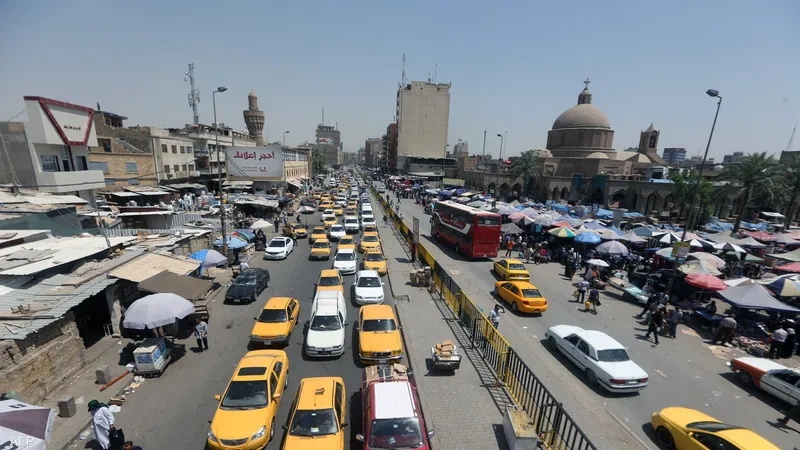
He noted that Baghdad suffers from high population density exceeding nine million inhabitants, making the idea of a new administrative capital an urgent necessity to address urban congestion and redistribute state institutions.
He pointed out that many countries have moved toward establishing administrative capitals as part of long-term plans extending up to one hundred years, aiming to reduce pressure on traditional cities and improve administrative and service efficiency.
He clarified that the project aims to transfer government institutions to a modern city with advanced infrastructure, which would help relieve pressure on Baghdad and create a more efficient administrative environment.
Engineer Abdul Rahim Al-Shammari, for his part, confirmed that establishing an administrative capital has become a necessity, noting that Baghdad's basic design has become outdated, especially after the significant changes the city witnessed following 2003.
He added that Egypt's new administrative capital experience could serve as an incentive for Iraq, despite differing capabilities, considering that pursuing this option represents a correct step from a strategic perspective.