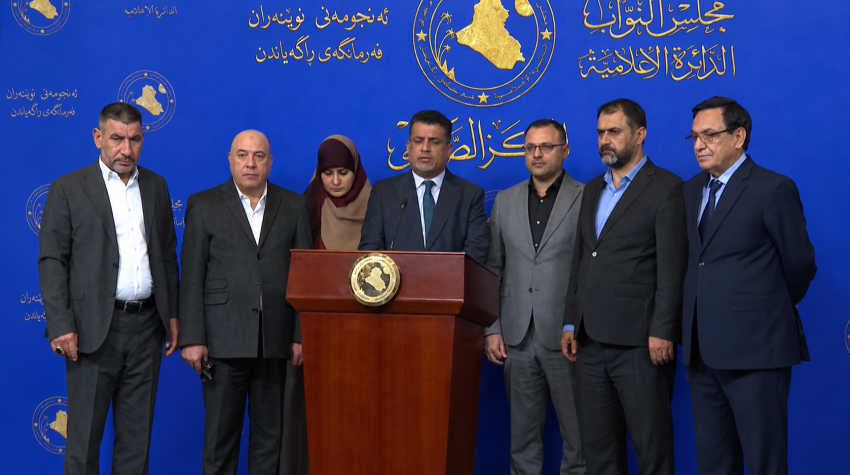
Iraqi parliamentary circles confirmed the absence of precise statistics documenting the extent of public fund waste resulting from mismanagement and delayed infrastructure projects. Members of parliament pointed out that corruption has become a structural obstacle threatening the stability of state
institutions, with corrupt networks using inflated project costs and fraudulent methods to cover their violations. Lawmakers emphasized the need to re-evaluate several past projects suspected of significant financial irregularities, warning that transitioning to electronic systems and automation alone will not
be sufficient to eradicate this phenomenon without firm political will starting from the highest levels. This coincides with high-level government directives to establish the "Supreme Sovereign Council for Integrity, Oversight, and the Recovery of Public Funds" to strengthen oversight mechanisms
and pursue corruption cases.