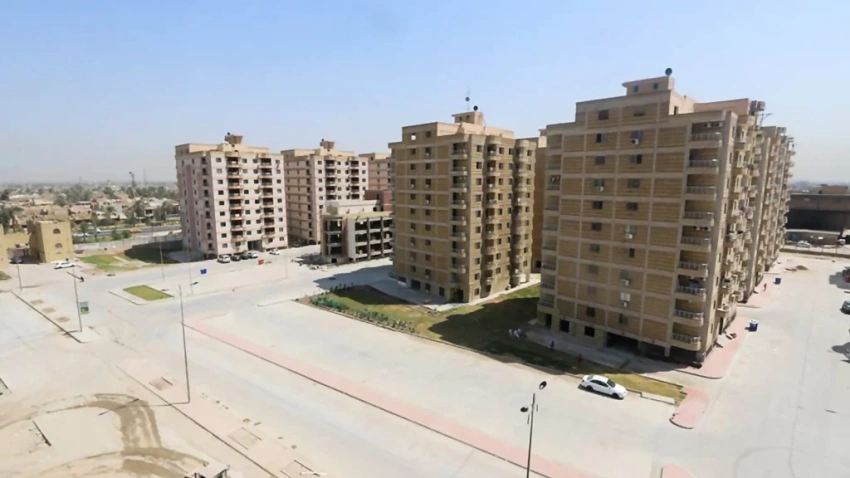
The housing crisis in Iraq has escalated beyond a mere shortage of residential units into a highly complex urban challenge, placing immense pressure on the infrastructure of major cities, particularly the capital, Baghdad, which now accommodates a significant portion of
the country's population. Experts warn of the negative repercussions of rapid population growth and the expansion of informal settlements, emphasizing that temporary solutions are no longer viable. Parliamentary and expert calls are mounting to adopt a comprehensive national strategy focused
on building modern, fully-serviced cities outside congested centers. This aims to redistribute population density, provide a healthy urban environment, and lower soaring real estate prices.