Political analyst Saleh Rashid revealed four main reasons behind the delay of Coordination Framework forces in deciding their candidate for the position of the next Prime Minister, despite holding the majority in the Council of Representatives.
Rashid stated in an exclusive statement that the political scene in Iraq after 2003 moved towards a quota system among forces representing the components. However, this approach did not stop at the limits of alliances but extended within the single bloc, where different parties seek to achieve private gains, complicating the process of agreeing on a unified candidate.
He added that the recent elections witnessed a clear shift, as they were no longer a platform for presenting programs and visions as much as they became subject to the influence of political money, which has become the most prominent factor in determining results. This produced negative phenomena, including turning electoral votes into a "commodity," which reflected on the complexity of government formation.
He pointed out that the passage of more than five months since the announcement of election results without forming a government reflects the depth of the crisis. He noted that the Coordination Framework faces a constitutional time ceiling, and if exceeded, the crisis may be transferred to the halls of the Iraqi Federal Supreme Court for resolution.
Rashid explained that what is currently happening reveals the repercussions of political quota and the negatives of political money, in addition to the lack of sufficient awareness among some forces of the importance of adhering to constitutional timelines, as well as ignoring the reality of the country, which is currently managed by a caretaker government with limited powers.
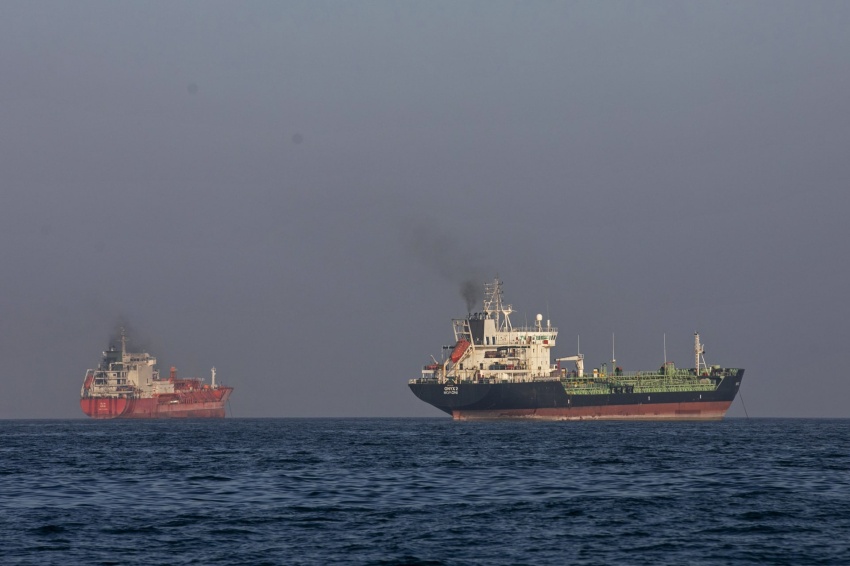
He affirmed that Iraq is in dire need of a government with full powers, capable of dealing with financial and economic challenges, especially in light of regional complexities affecting the marketing of approximately 90% of Iraqi oil. He warned that the continuation of this situation may lead to erosion of citizens' trust in the political process.
He added that the continuation of the crisis without radical solutions portends serious repercussions on general stability, questioning the shape of the next phase if financial and economic crises escalate, and some political forces continue to deal with these challenges with a degree of indifference.
In every electoral cycle, the crisis of choosing the Prime Minister is renewed, amid intertwining partisan and regional interests, which negatively affects the stability of the country, according to observers, and delays the approval of important laws, foremost among them the general budget, which represents the cornerstone in managing the economy and providing services to citizens.