
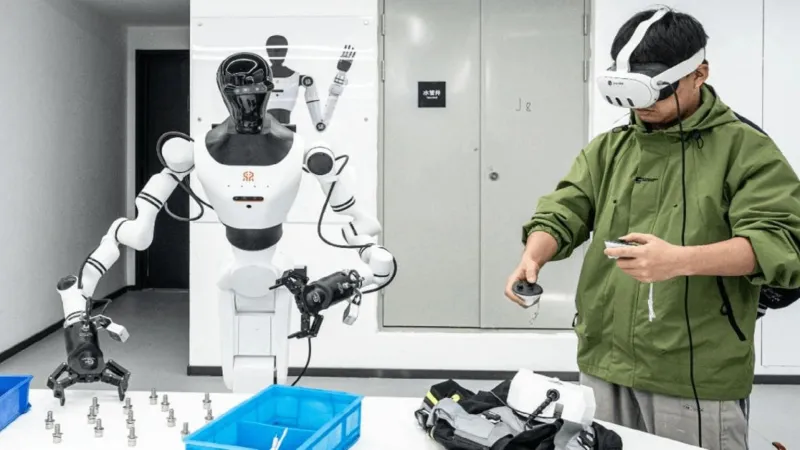
In response to demographic challenges and labor shortages, China has launched a massive economic initiative establishing "robot schools" to train humanoid machines. These schools utilize virtual reality software and artificial intelligence to qualify robots for complex industrial tasks and even
domestic care. This project is part of a comprehensive economic vision to increase productivity and reduce operational costs for factories, potentially granting Chinese manufacturing a massive competitive advantage in global markets. This trend indicates a structural shift in the global
labor market, where investments in robotic labor will become the primary metric for measuring the strength of industrial economies.