Economic affairs expert Ahmed Al-Tamimi revealed, on Monday (April 27, 2026), the real reasons behind the stumbling implementation of the old vehicle scrappage policy in Iraq, despite being proposed years ago. He indicated that the problem lies not in the
technical aspect as much as it is linked to intertwined financial, legislative, and executive factors.
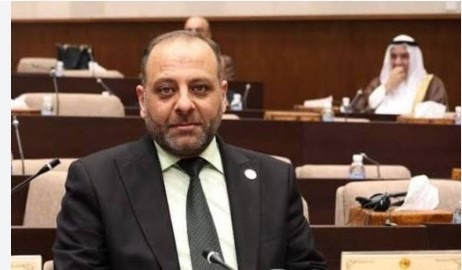
Al-Tamimi stated in an exclusive interview that any vehicle scrappage project requires clear financial allocations to compensate owners of old cars or provide them with incentives for replacement, which has not been seriously included in previous budgets. Additionally, there is
an absence of a comprehensive law regulating withdrawal, compensation, and registration mechanisms, and preventing dilapidated vehicles from returning to the market through unofficial channels.
Al-Tamimi stated in an exclusive interview that any vehicle scrappage project requires clear financial allocations to compensate owners of old cars or provide them with incentives for replacement, which has not been seriously included in previous budgets. Additionally, there is an absence of a comprehensive law regulating withdrawal, compensation, and registration mechanisms, and preventing dilapidated vehicles from returning to the market through unofficial channels.
He explained that there are existing economic interests benefiting from the continuation of the used car market, repair workshops, and spare parts for old vehicles, making any reform attempt face undeclared resistance, especially in light of weak oversight and regulation.
He added that implementing a comprehensive vehicle scrappage system requires an integrated package of procedures, starting with establishing accredited centers for receiving old cars and dismantling them according to environmental standards, through developing electronic technical inspection stations, and linking traffic,
customs, and tax databases within a unified platform to limit manipulation.
He added that implementing a comprehensive vehicle scrappage system requires an integrated package of procedures, starting with establishing accredited centers for receiving old cars and dismantling them according to environmental standards, through developing electronic technical inspection stations, and linking traffic, customs, and tax databases within a unified platform to limit manipulation.
He pointed to the importance of providing soft loans to citizens through banks, along with granting customs and tax exemptions for alternative vehicles, especially economic or electric ones, as well as involving the private sector in establishing modern recycling exhibitions and facilities.
Al-Tamimi clarified that Iraq possesses the human and institutional capabilities to implement this system, but it needs a decisive government decision and a competent central administration, in addition to a clear timetable. He affirmed that the core of the problem
lies in weak coordination and continuity, not in the absence of capability.
Al-Tamimi clarified that Iraq possesses the human and institutional capabilities to implement this system, but it needs a decisive government decision and a competent central administration, in addition to a clear timetable. He affirmed that the core of the problem lies in weak coordination and continuity, not in the absence of capability.
Regarding the project's impact on citizens, he explained that the correct implementation of this policy would reduce maintenance costs and fuel consumption, raise traffic safety levels, and reduce pollution and congestion resulting from frequent breakdowns.
However, he warned at the same time that implementing the project without providing suitable alternatives or sufficient financial support may impose additional burdens on citizens. He stressed the necessity that the program be accompanied by comfortable financing options, subsidized prices,
and fair transitional periods, to ensure its transformation into an opportunity to improve reality, rather than a new economic burden.
However, he warned at the same time that implementing the project without providing suitable alternatives or sufficient financial support may impose additional burdens on citizens. He stressed the necessity that the program be accompanied by comfortable financing options, subsidized prices, and fair transitional periods, to ensure its transformation into an opportunity to improve reality, rather than a new economic burden.
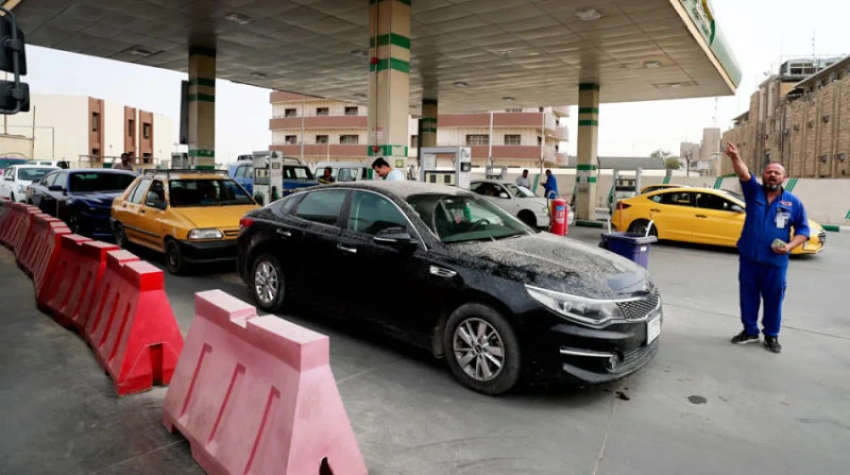
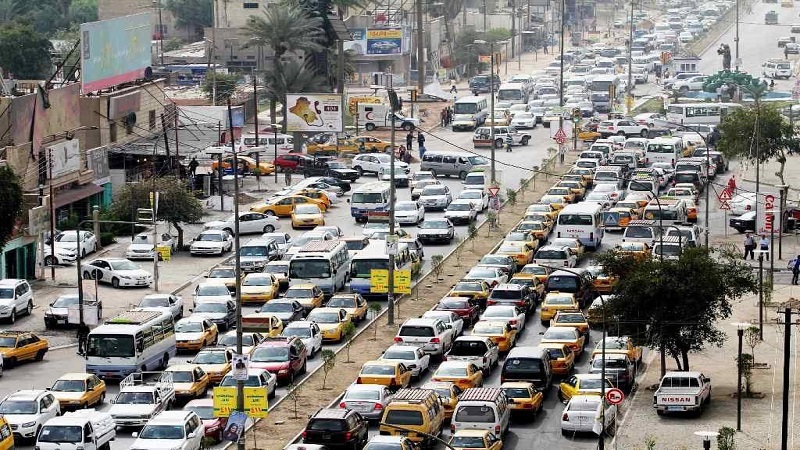
Old vehicles constitute one of the most prominent challenges facing the transport sector in Iraq, due to the increase in pollution rates and fuel consumption, in addition to their negative impact on traffic safety and infrastructure.
Despite the proposal of multiple projects to organize this file, the absence of clear legislation and sufficient financial allocations, as well as conflicting interests, have prevented their implementation on the ground, leaving the file suspended pending decisive decisions that reorganize
the vehicle market and keep pace with transformations towards sustainable transport.
Despite the proposal of multiple projects to organize this file, the absence of clear legislation and sufficient financial allocations, as well as conflicting interests, have prevented their implementation on the ground, leaving the file suspended pending decisive decisions that reorganize the vehicle market and keep pace with transformations towards sustainable transport.