
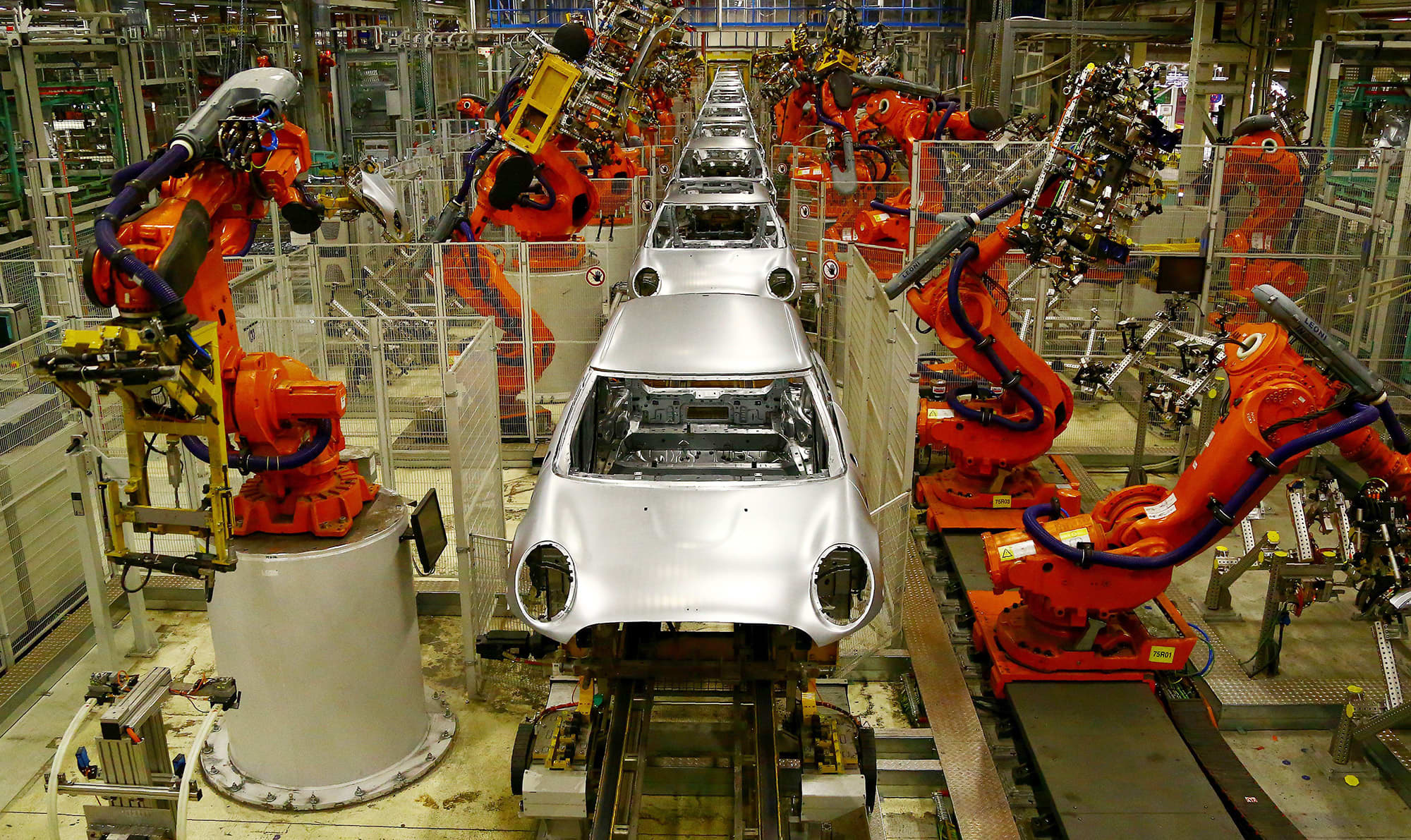
The deployment of humanoid robots in major automotive factories has intensely highlighted the economic viability of full automation and its impact on global labor markets. From a purely economic perspective, these robots offer massive savings in the medium and long
term, operating around the clock without interruption, and with precision that eliminates the costs of human error and raw material waste. However, this radical shift imposes structural economic challenges on governments related to funding rehabilitation programs for displaced workers and
supporting social welfare systems. Calls are currently rising from some economic organizations to study the imposition of a so-called "robot tax" to compensate for the shortfall in human income taxes, reflecting the economic complexity of substituting traditional labor with advanced
technology in the industrial sector.