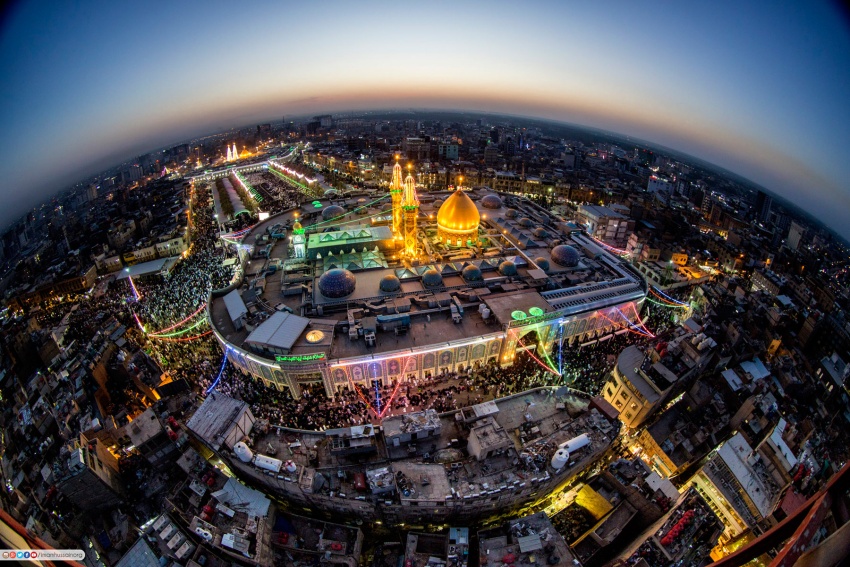
Religious seasons and events in Iraq have transformed into major economic drivers that contribute to revitalizing local markets and service sectors. Cities receiving influxes of millions of visitors experience exceptional commercial activity, significantly raising spending rates on accommodation, transportation, food,
telecommunications, and fuel. The funds circulated during these seasons are estimated at hundreds of millions of dollars, resulting from the direct spending of visitors and the logistical budgets allocated by organizing bodies. This dynamic creates a broad economic cycle that
provides thousands of temporary job opportunities and supports small and medium-sized enterprises. Economic experts emphasize that investing in this human momentum through integrated tourism and investment plans and infrastructure development can turn religious tourism into a sustainable and significant tributary
for the national economy, contributing to diversifying income sources and reducing heavy reliance on oil revenues.